Binance launched in 2017 and within a year was the highest-volume exchange in the world. It lists more than 500 assets across 1,500-plus trading pairs, runs the deepest order books in crypto, and has built futures, margin, staking, a launchpad and a payments business around the core exchange. It has never declared a formal headquarters, though its leadership has been based in the UAE for several years. For an active derivatives trader it is the default choice for good reasons.
The United States is the exception. Binance.com stopped serving U.S. residents in 2019 after regulators pushed back, and a separately owned company, Binance.US, was created to take American customers. Then in November 2023 Binance Holdings and its founder Changpeng Zhao pleaded guilty in Seattle to violating the Bank Secrecy Act and sanctions law. Binance paid more than $4.3 billion, Zhao paid $50 million and stepped down as CEO, and FinCEN's settlement imposed a five-year monitorship that requires Binance to fully exit the United States. A U.S. resident who tries to sign up today is blocked at verification.
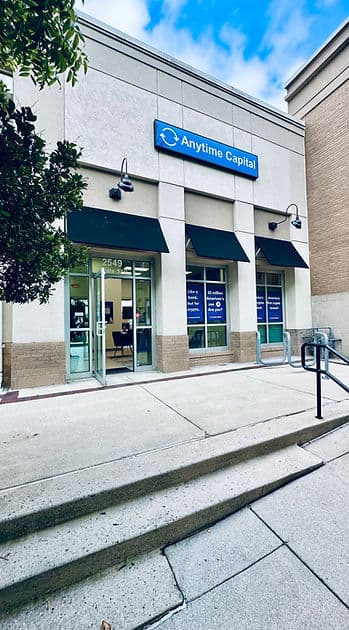
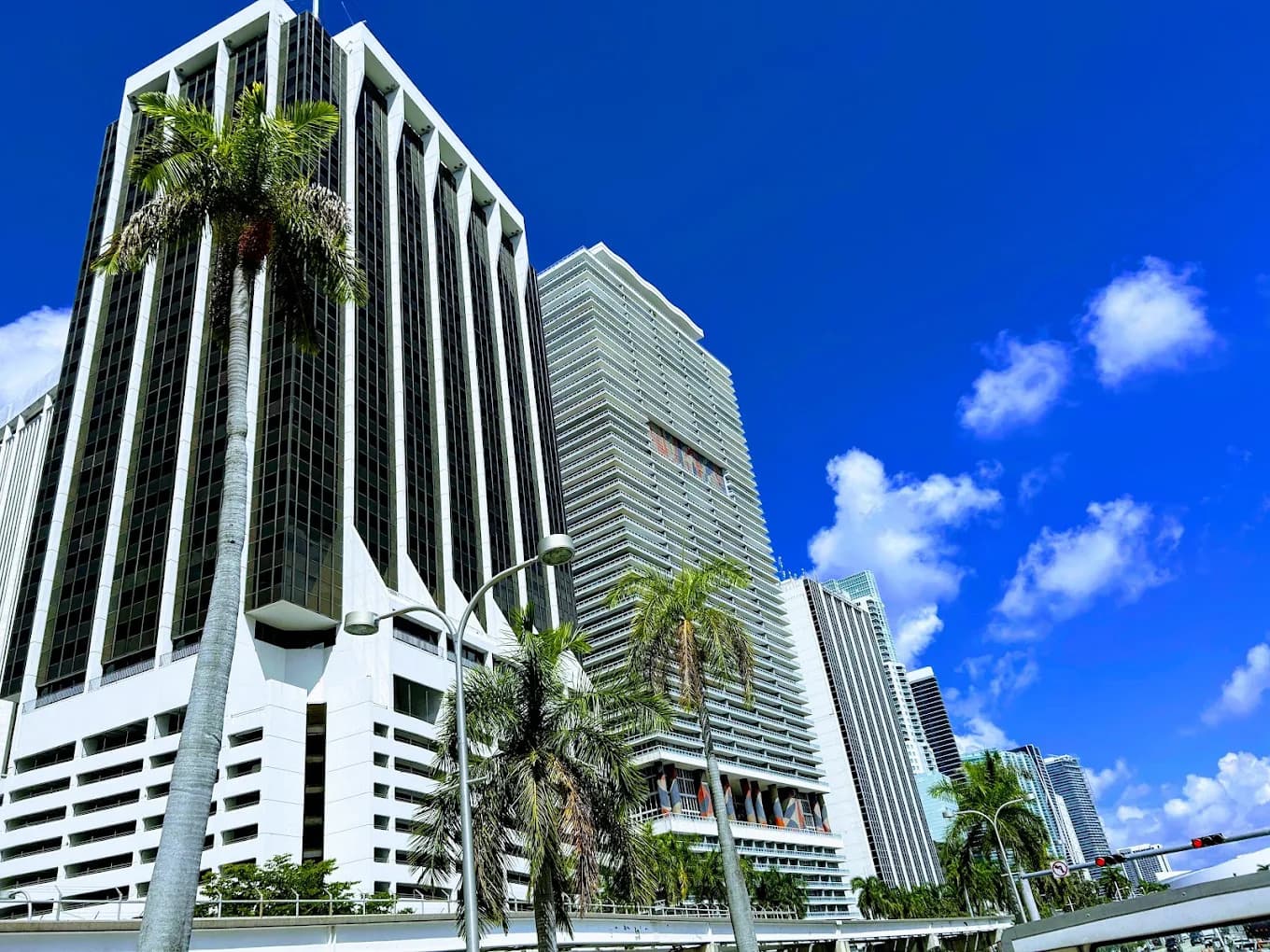
Anytime Capital serves the customer Binance cannot, and everyone else. It is a U.S. money services business with a storefront on Piedmont Road in Atlanta, an office in One Biscayne Tower in Miami, a phone number that reaches a person during business hours, and every payment rail from Apple Pay to cash and same-day wire, available wherever you are. The Bitcoin is the same. The legal ability to sell it to you is not.
 Binance
 Our pick

.svg)
.svg)
.svg)
.svg)
.svg)
.svg)
.svg)
.svg)
.svg)
.svg)
.svg)
.svg)
.svg)
.svg)
.svg)
.svg)
.svg)
.svg)




.svg)
.svg)
.svg)
.svg)
.svg)
.svg)
.svg)
.svg)
.svg)
.svg)
.svg)
.svg)
.svg)
.svg)
.svg)
.svg)
.svg)
.svg)