Coinbase was founded in 2012, listed on Nasdaq in April 2021, and is the only large U.S. exchange whose financials you can read in an SEC filing. It holds a New York BitLicense, money transmitter licenses across the states, and a FinCEN registration. It lists more than 200 assets, runs a staking program, and layers three products on the same account: the simple app, Advanced Trade for order-book pricing, and the Coinbase One subscription that trades a monthly fee for waived commissions. Roughly 100 countries can use it, but the United States is its home market and its deepest.
The shape that comes with that scale is a custodial one. Your dollars and coins sit in Coinbase's ledger until you withdraw them, so a compliance hold, a restricted-account flag, or an outage stands between you and your money. Reviewers describe the phone line and chat as real but scripted, and the account-review queue as the thing nobody can call about. The May 2025 data incident, in which contractors were bribed to leak customer records, and the May 2026 AWS outage that took trading offline for about eight hours both landed on a customer base of tens of millions.
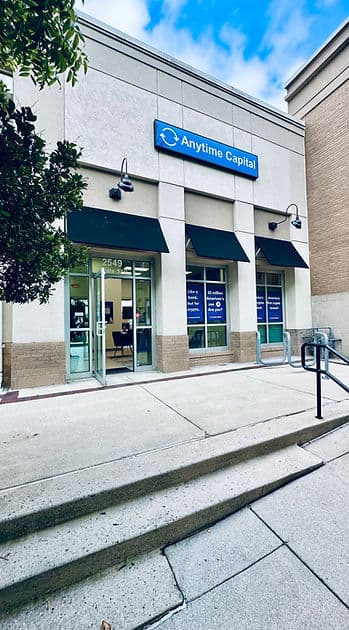
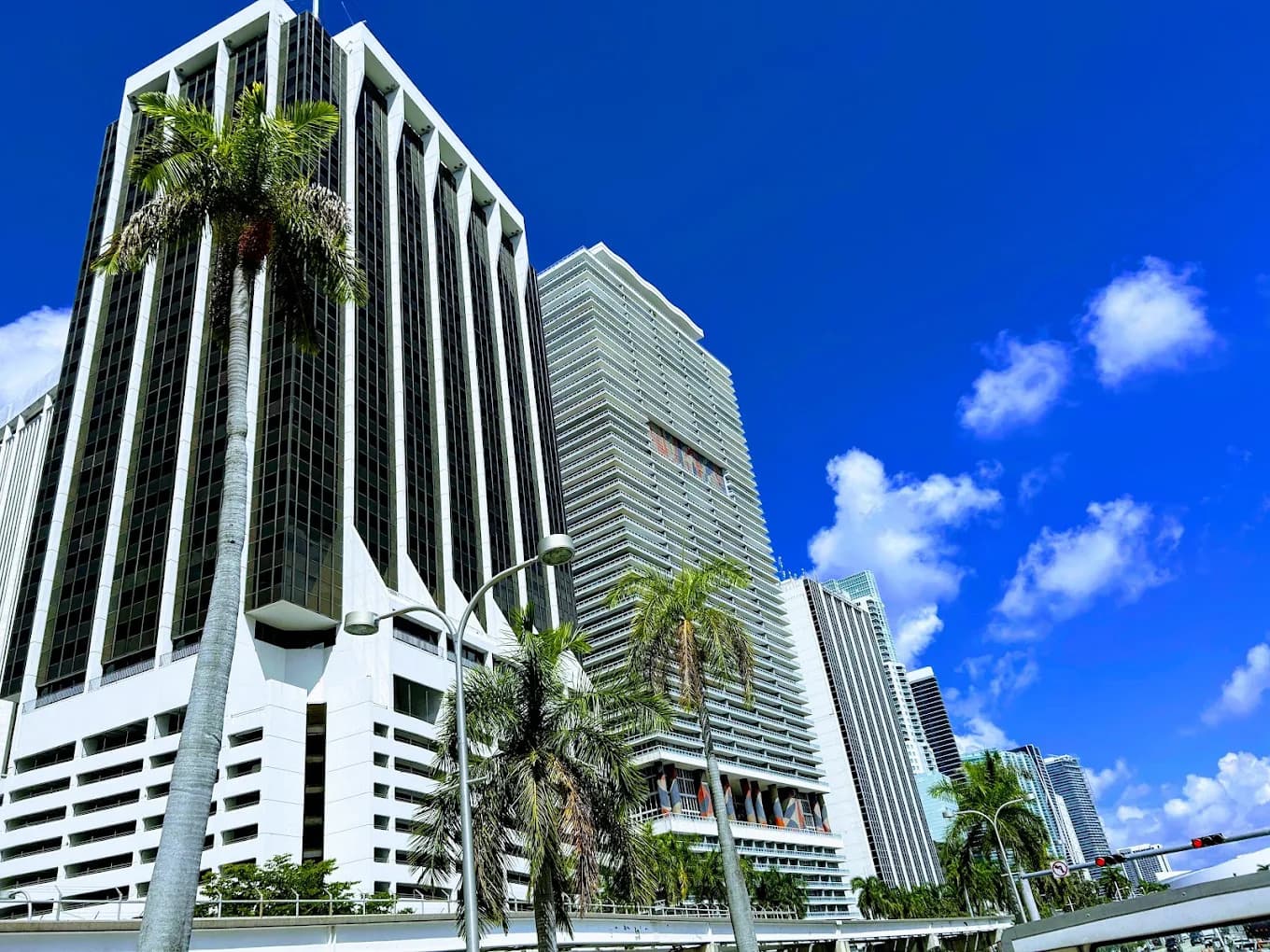
Anytime Capital is built at a different size and on a different model. It is an American money services business serving customers worldwide, with a storefront on Piedmont Road in Atlanta, an office in Miami's One Biscayne Tower, and a phone number, (470) 748-2530, that reaches a person who can see your order. Coins are delivered to a non-custodial wallet you control, so there is no freeze to appeal. It makes no attempt to be an order book. The crypto is the same. The experience around it is not.
 Coinbase
 Our pick

.svg)
.svg)
.svg)
.svg)
.svg)
.svg)
.svg)
.svg)
.svg)
.svg)
.svg)
.svg)
.svg)
.svg)
.svg)
.svg)
.svg)
.svg)




.svg)
.svg)
.svg)
.svg)
.svg)
.svg)
.svg)
.svg)
.svg)
.svg)
.svg)
.svg)
.svg)
.svg)
.svg)
.svg)
.svg)
.svg)