Bybit was founded in 2018 by Ben Zhou, moved its headquarters from Singapore to Dubai in 2022, and built itself into one of the largest exchanges in the world by derivatives volume, with hundreds of spot pairs, perpetual futures, options and a card program across more than 160 countries. It is licensed by Dubai's VARA and, since May 2025, under the EU's MiCA regime through an Austrian entity headquartered in Vienna. In February 2025 it suffered the largest theft in crypto history, about $1.5 billion in ETH taken by North Korea's Lazarus Group through a compromised wallet interface, and it kept withdrawals open and covered customer balances in full.
None of that is available to an American. Bybit lists the United States as an excluded jurisdiction, holds no FinCEN registration and no state money transmitter licenses, blocks U.S. IP addresses, and since removing its no-KYC tier requires identity verification on every account, at which point a U.S. passport or driver's license ends the process. Accounts opened through a VPN are closed when they reach verification, and any balance inside is subject to Bybit's withdrawal procedures for restricted users. The United States is simply not a market Bybit serves.
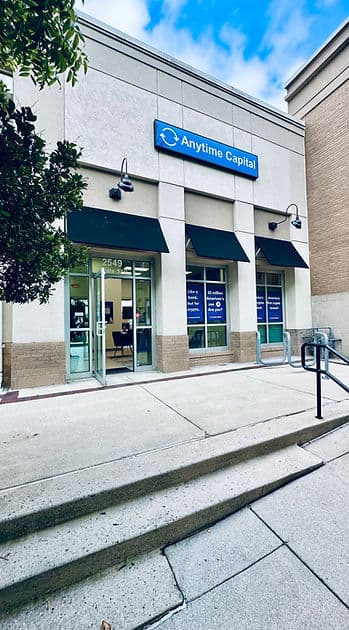
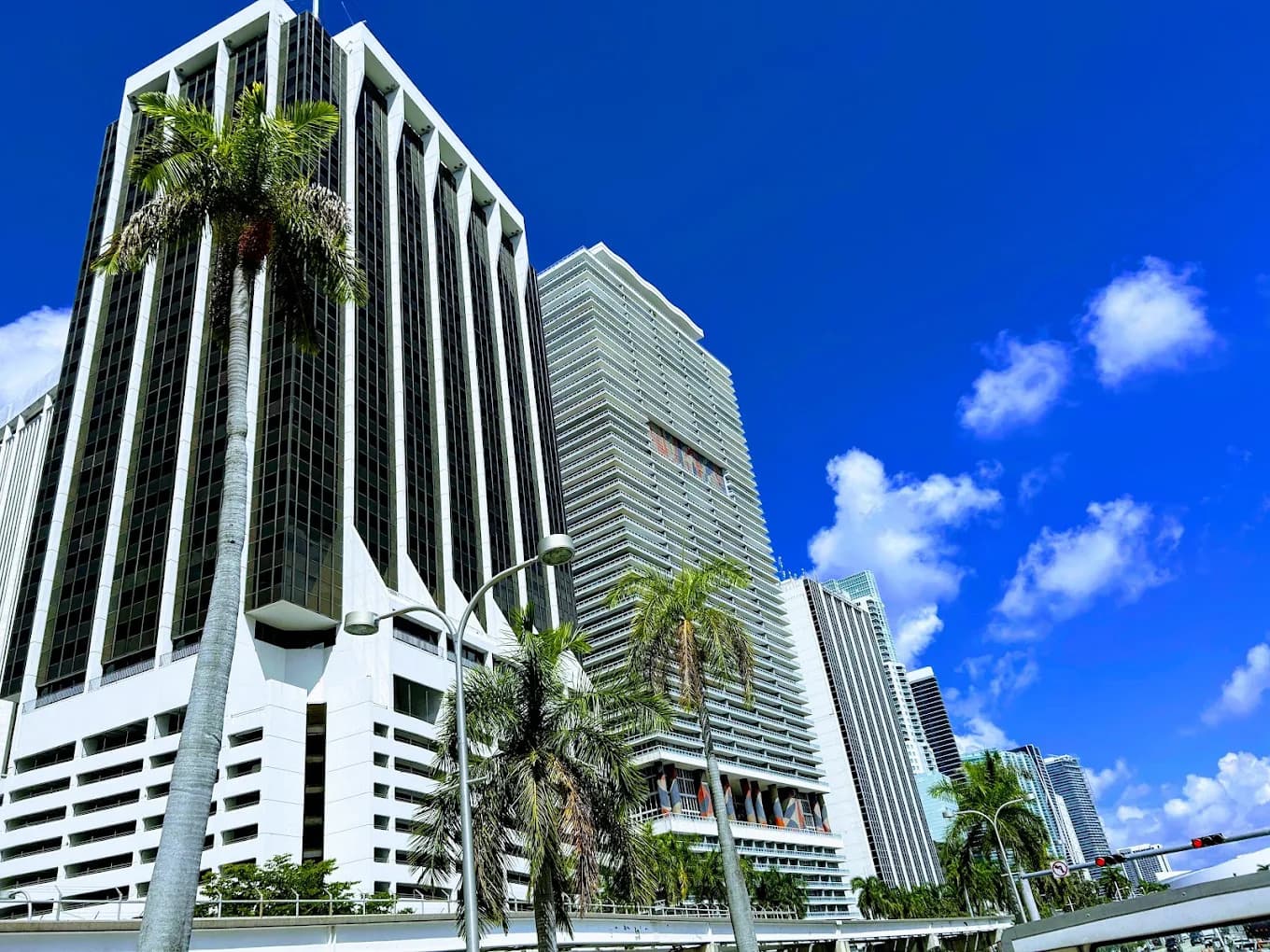
Anytime Capital is the opposite case: an American money services business serving customers worldwide, with a storefront on Piedmont Road in Atlanta, an office in Miami's One Biscayne Tower, a phone number, (470) 748-2530, that reaches a person, and nine ways to pay, including cash and same-day wire. Coins are delivered to a non-custodial wallet you control, and it does not offer leverage. For a U.S. resident looking at Bybit, that is not a trade-off. It is the only side of the comparison that exists.
 Bybit
 Our pick

.svg)
.svg)
.svg)
.svg)
.svg)
.svg)
.svg)
.svg)
.svg)
.svg)
.svg)
.svg)
.svg)
.svg)
.svg)
.svg)
.svg)
.svg)




.svg)
.svg)
.svg)
.svg)
.svg)
.svg)
.svg)
.svg)
.svg)
.svg)
.svg)
.svg)
.svg)
.svg)
.svg)
.svg)
.svg)
.svg)