KuCoin launched in 2017, moved its base to the Seychelles, and grew into the exchange people used when a coin was too small for Coinbase or Binance. It lists more than 1,000 assets, claims 40 million users across 200-plus countries, and wraps the spot market in futures, margin, lending and a popular set of trading bots. Its minimum order sizes are tiny, which made it a favorite for beginners buying fractions of a dollar of a new token.
For years it also served Americans without a license. In March 2024 federal prosecutors in Manhattan charged KuCoin and its founders, and in January 2025 the operator, Peken Global Limited, pleaded guilty to one count of operating an unlicensed money transmitting business. It admitted to roughly 1.5 million U.S. users and at least $184.5 million in fees from them, forfeited that amount, paid a $112.9 million fine, and agreed to leave the U.S. market for at least two years. Founders Chun Gan and Ke Tang stepped away from management. In March 2026 a federal court entered a CFTC consent order with a $500,000 penalty that permanently bars Peken from letting U.S. traders on its platform unless it registers, turning a temporary exit into a permanent one.
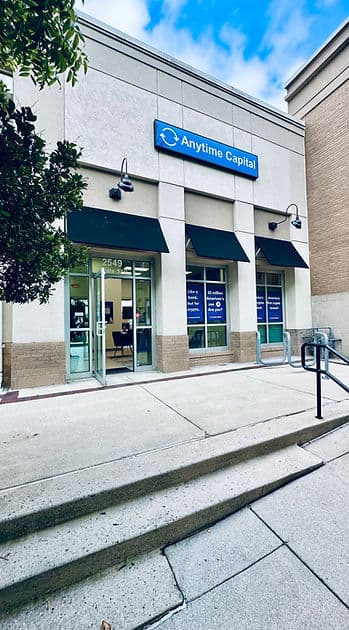
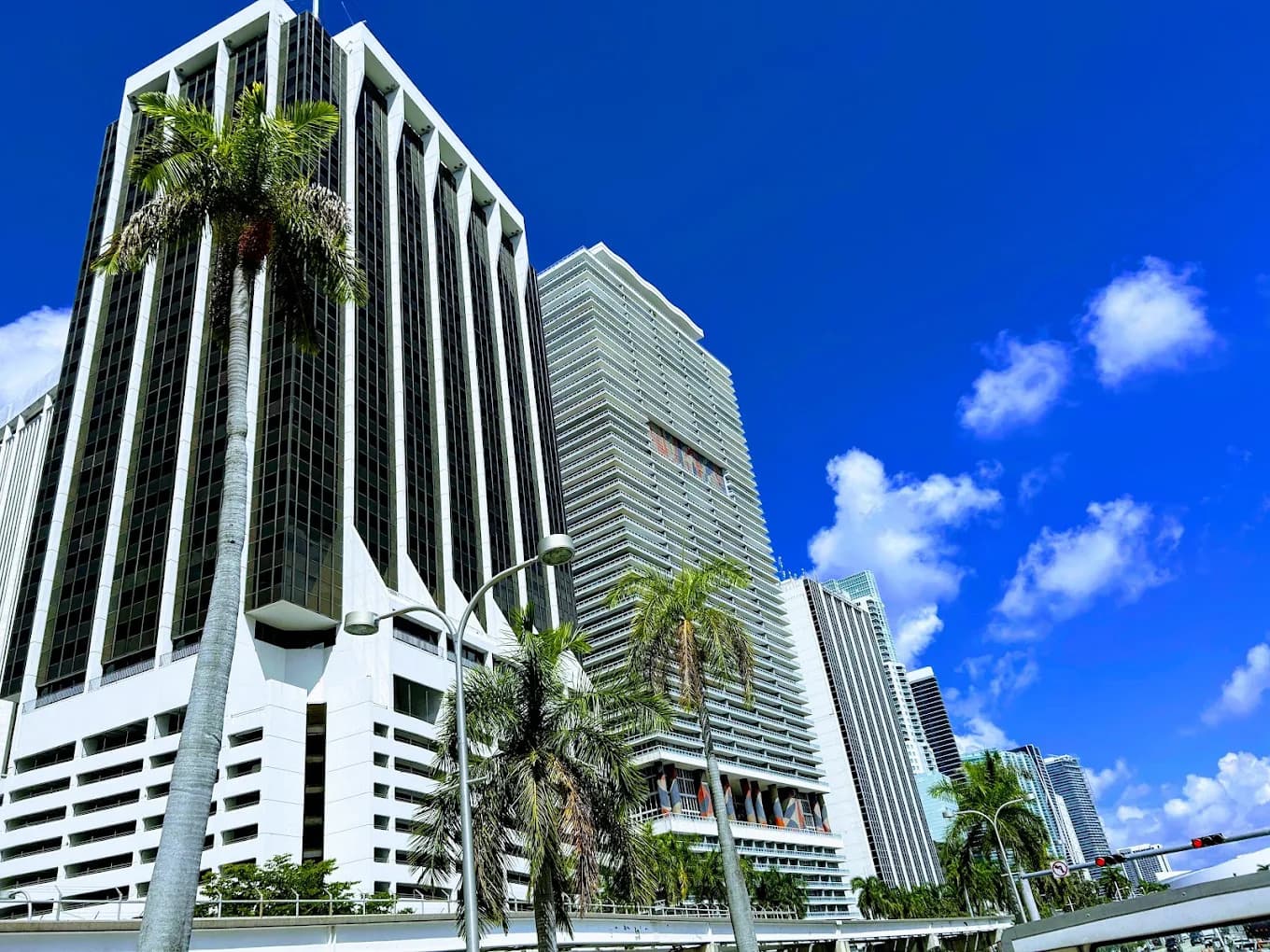
Anytime Capital takes the customer KuCoin had to give up, and everyone else. It is an American company that serves customers worldwide, with a storefront on Piedmont Road in Atlanta, an office in One Biscayne Tower in Miami, a phone number that reaches a person, and every rail you are likely to use, including cash and same-day wire. It is not an order book, and it says so.
 KuCoin
 Our pick


.svg)
.svg)
.svg)
.svg)
.svg)
.svg)
.svg)
.svg)
.svg)
.svg)
.svg)
.svg)
.svg)
.svg)
.svg)
.svg)
.svg)
.svg)





.svg)
.svg)
.svg)
.svg)
.svg)
.svg)
.svg)
.svg)
.svg)
.svg)
.svg)
.svg)
.svg)
.svg)
.svg)
.svg)
.svg)
.svg)